Industries
Industries we serve
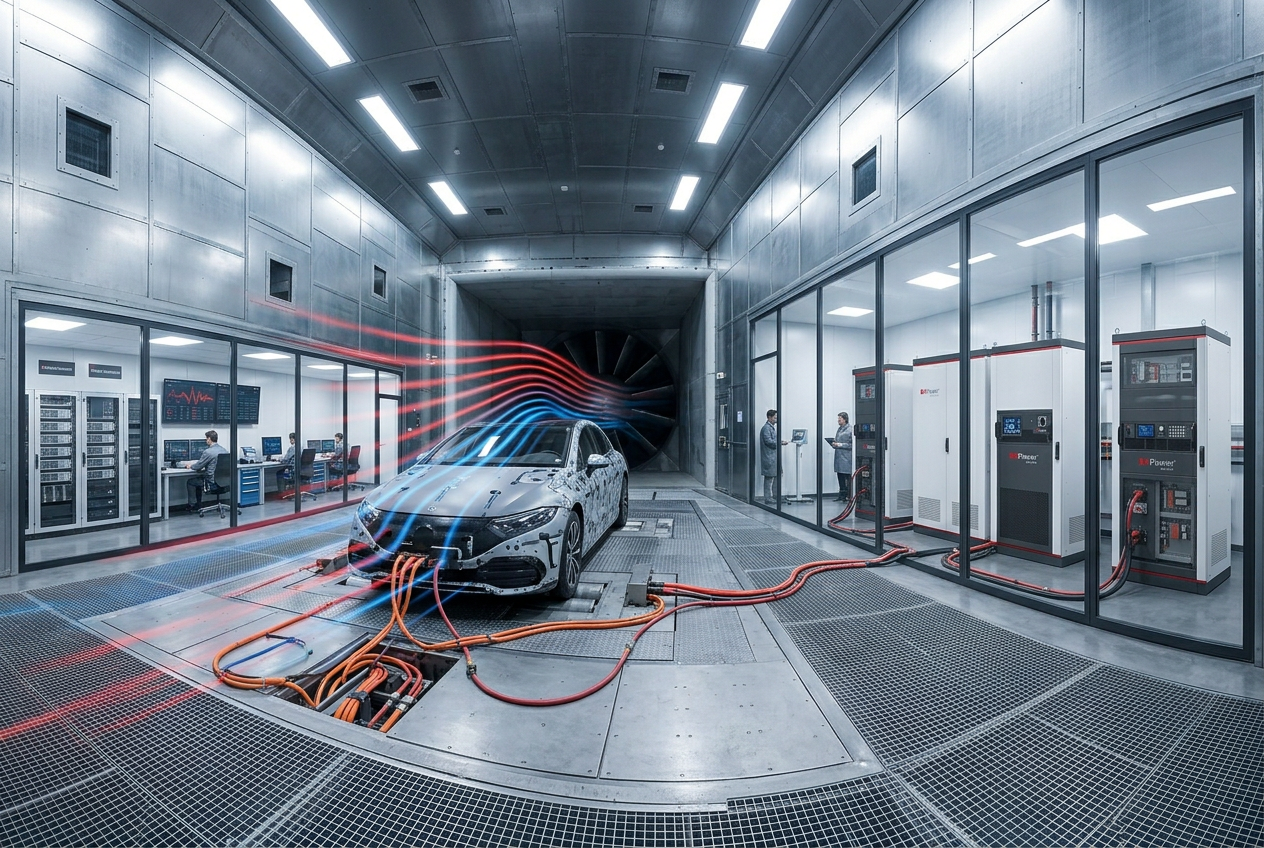
Automotive
Power-electronics development for electric vehicles depends on repeatable testing of chargers, converters, batteries and auxiliary power systems. Laboratory sources and loads help teams reproduce operating conditions without depending on a complete vehicle.
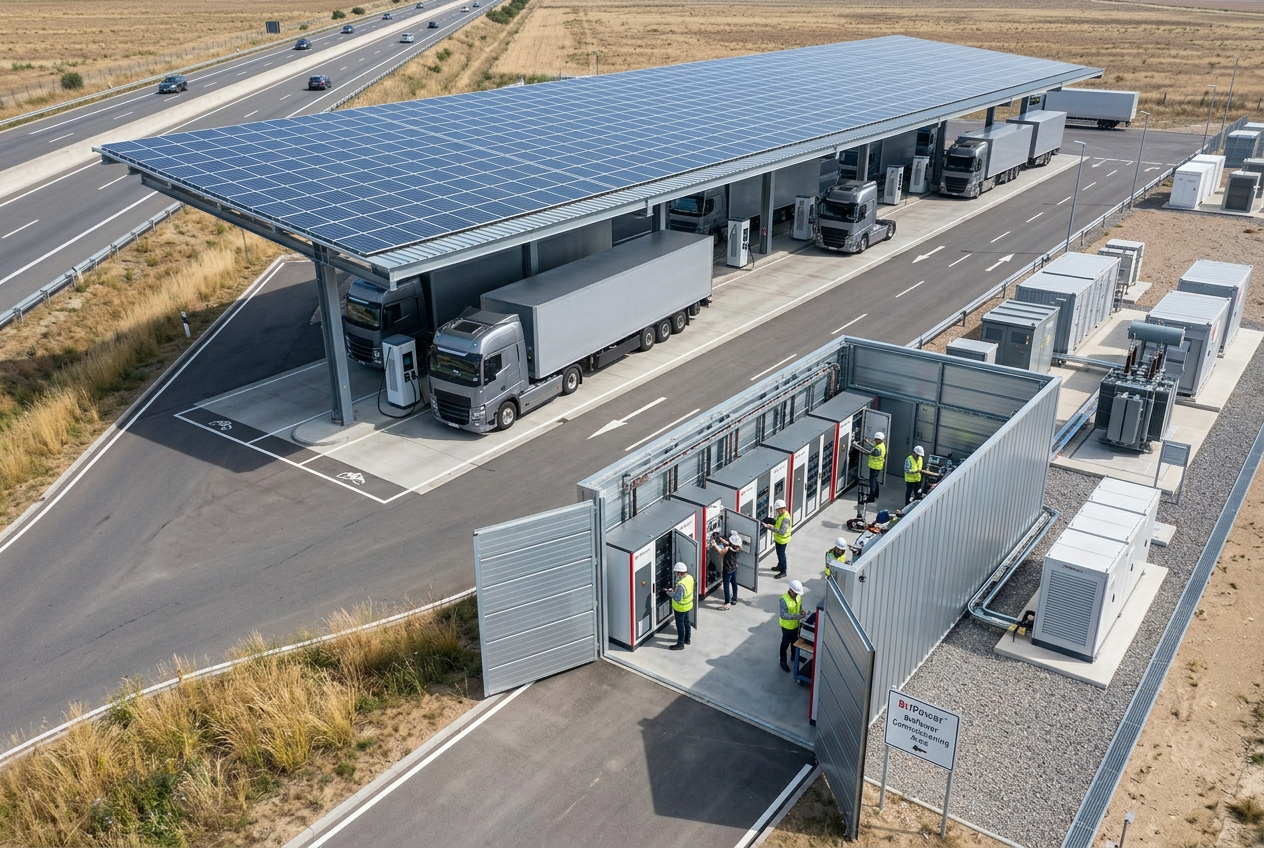
EV Charging
Charging-equipment developers use programmable power to reproduce grid, vehicle and load conditions. Controlled tests support charger validation, conversion-efficiency studies, interoperability work and investigation of abnormal operating events.
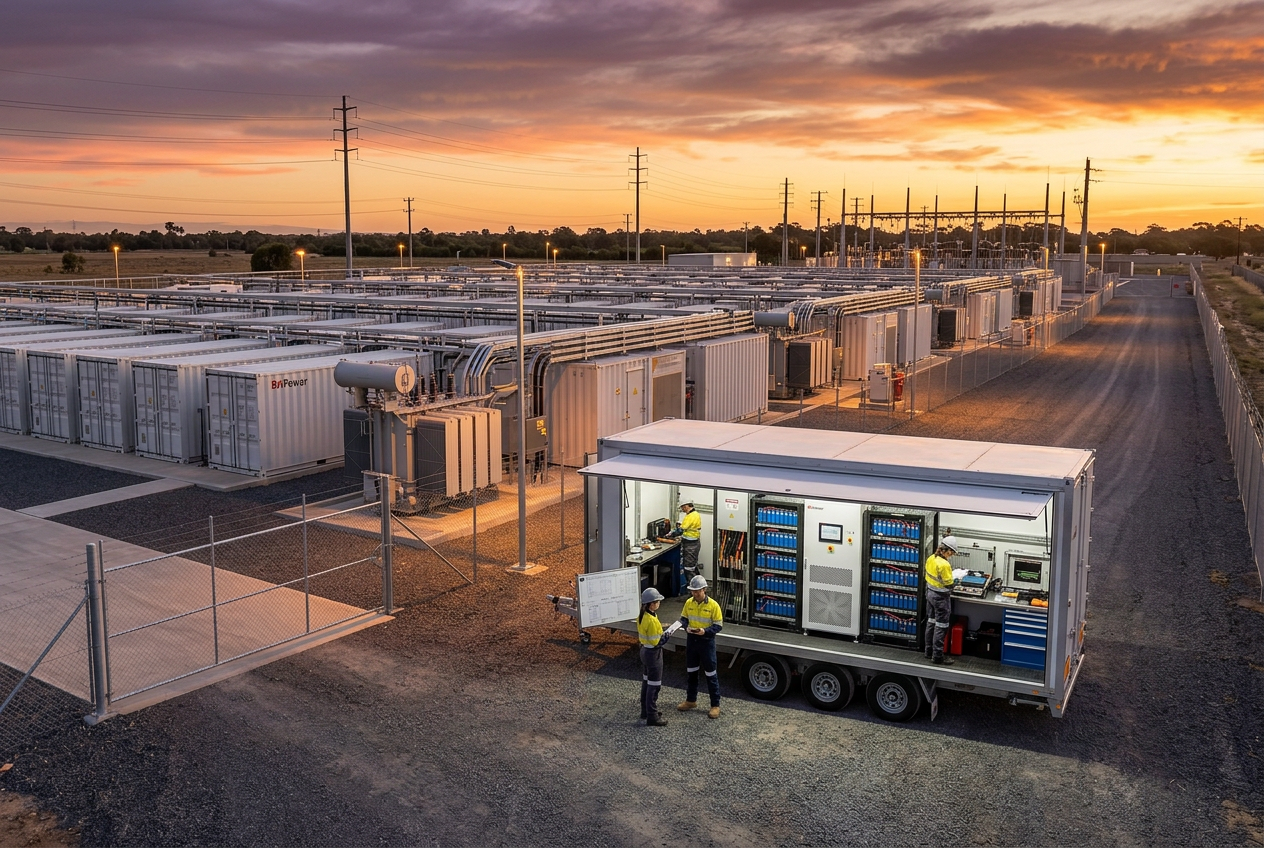
Energy Storage
Battery and energy-storage teams need bidirectional power flow to evaluate converters, control systems and charge-discharge behavior. Regenerative platforms support long-duration testing while reducing the heat associated with dissipative loads.
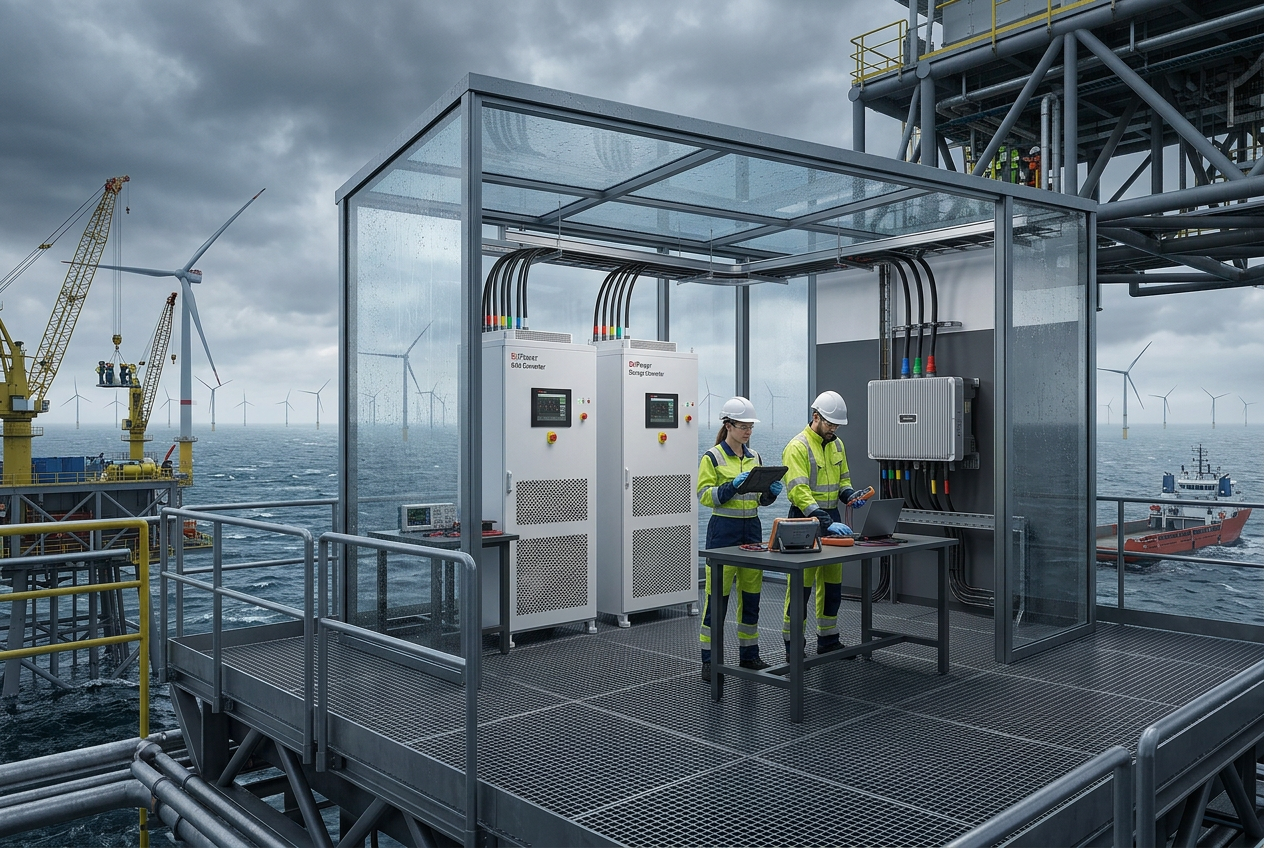
Renewable Energy
Solar, wind and hybrid-energy development requires realistic source and grid conditions. Programmable systems help engineers evaluate inverters, conversion stages, protection functions and responses to changing generation or utility conditions.
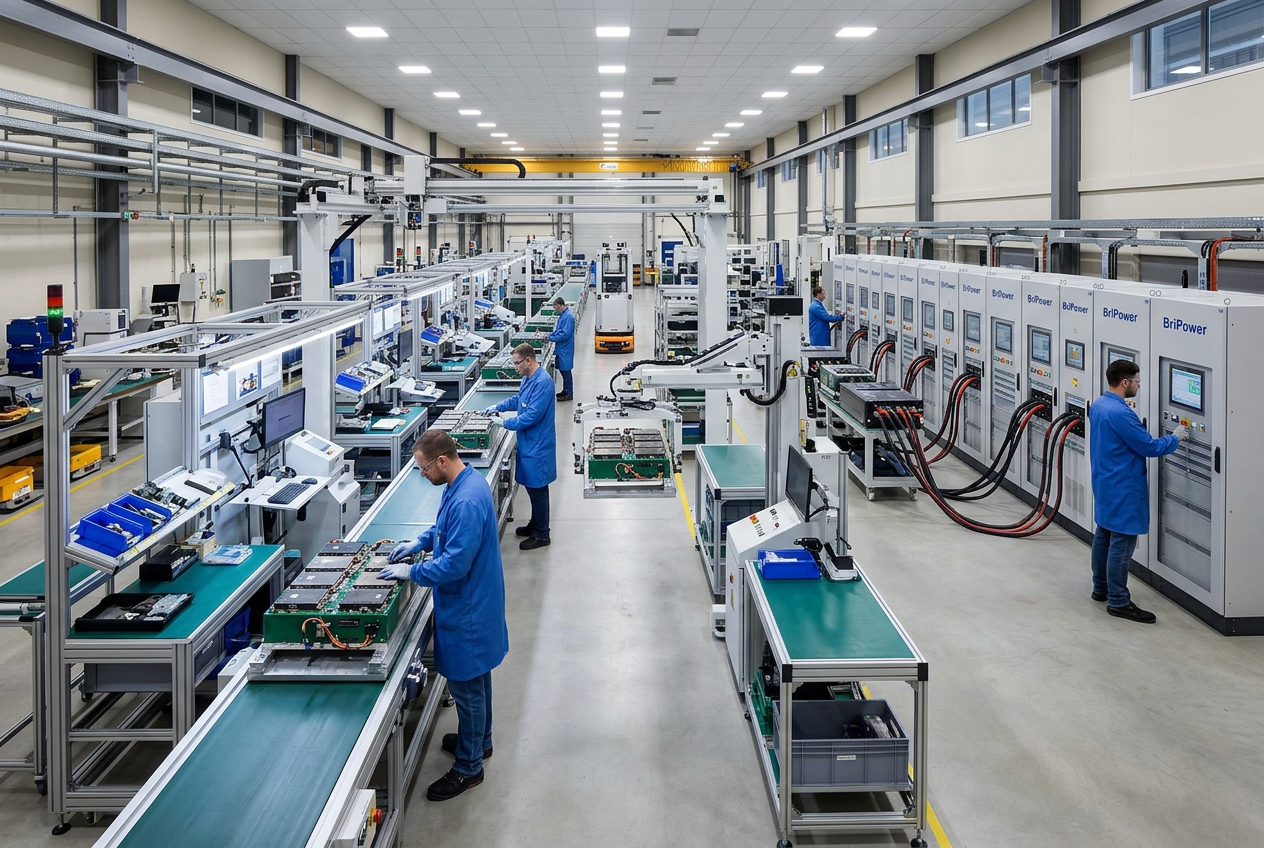
Power Electronics
Converter, inverter and power-supply development benefits from precise, repeatable source-and-load conditions. Engineers can investigate efficiency, dynamic response, control behavior and protection across a planned test envelope.
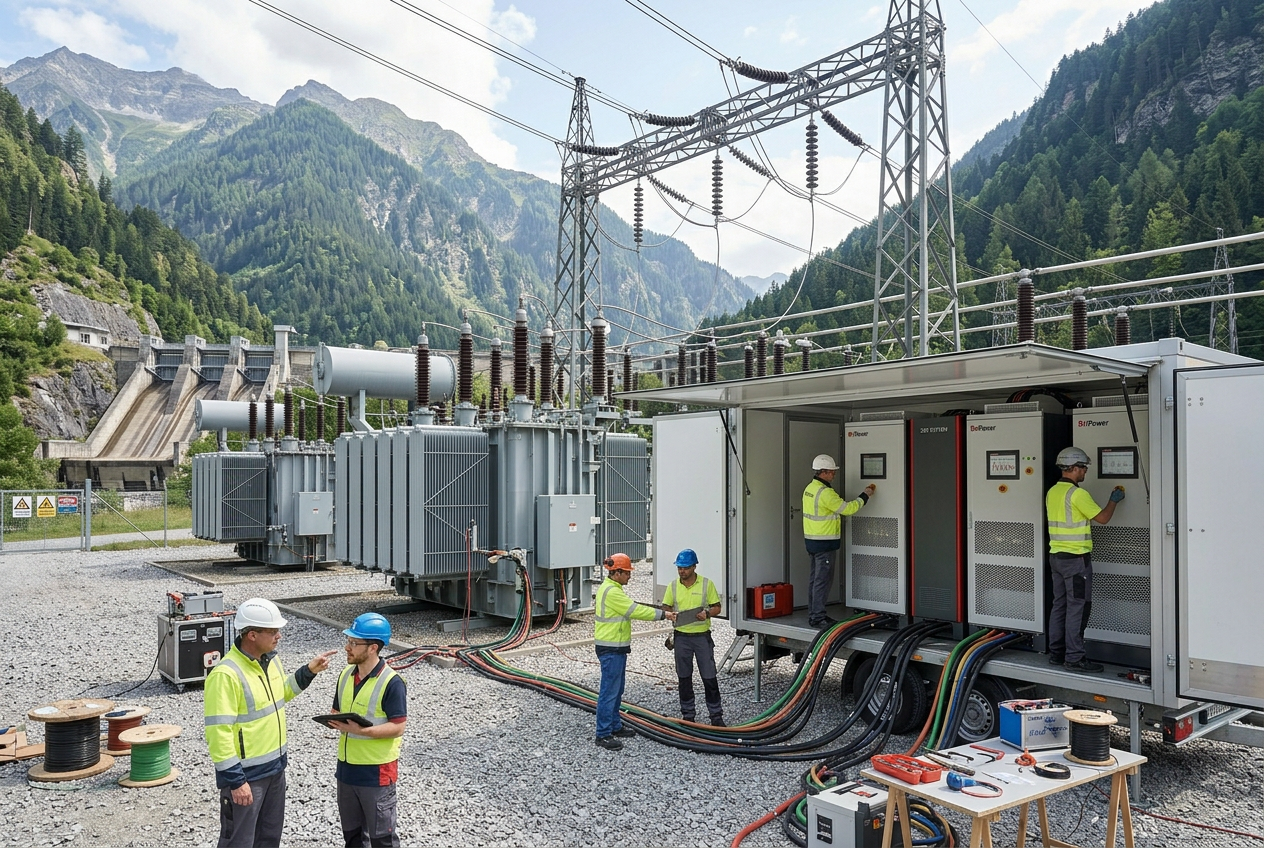
Grid & Utilities
Utilities and grid-technology teams use simulation to study how connected equipment behaves during voltage, frequency and phase events. Repeatable laboratory conditions support control development, protection checks and grid-integration studies.
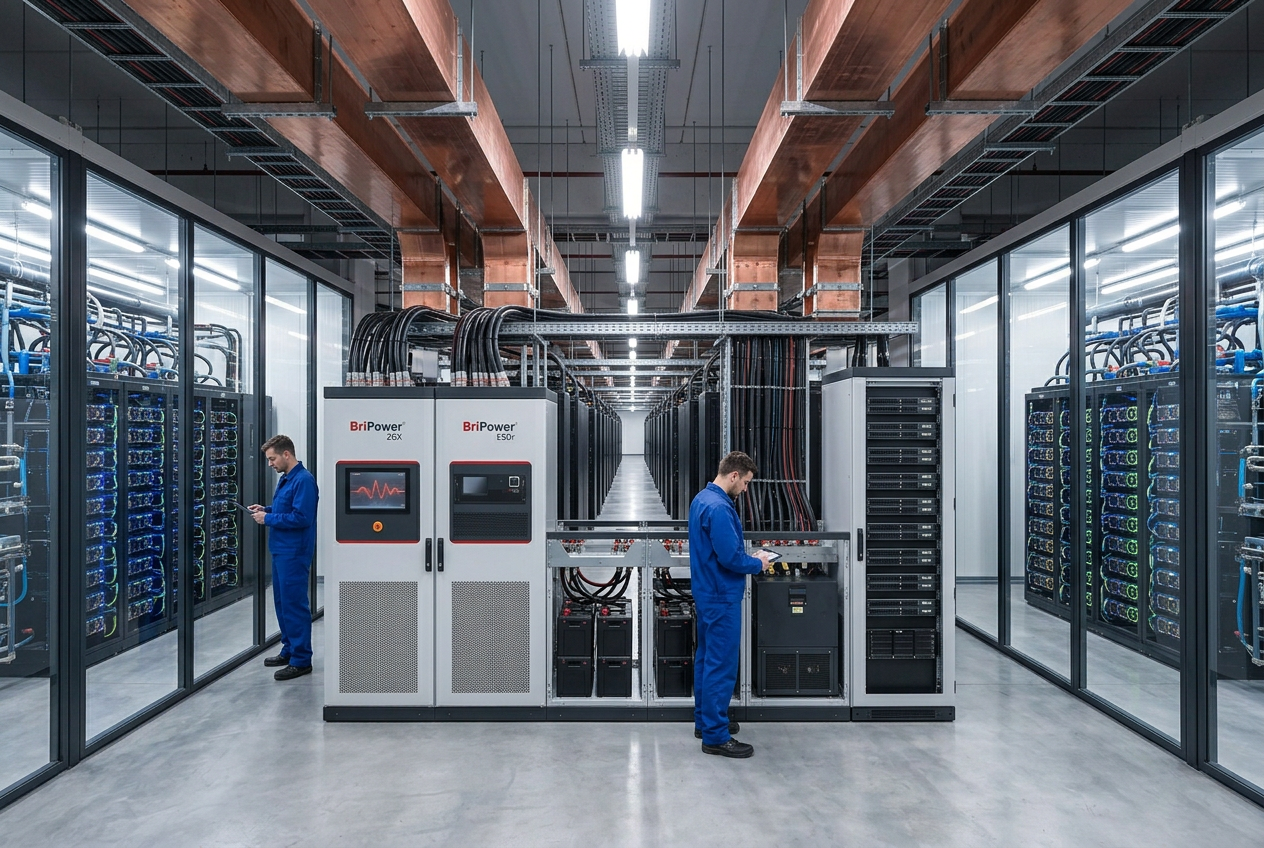
AI / Data Center
AI and high-performance computing place fast-changing demands on power distribution and backup systems. Programmable testing helps characterize server supplies, converters and battery backup units during transients, ride-through and transfer events.
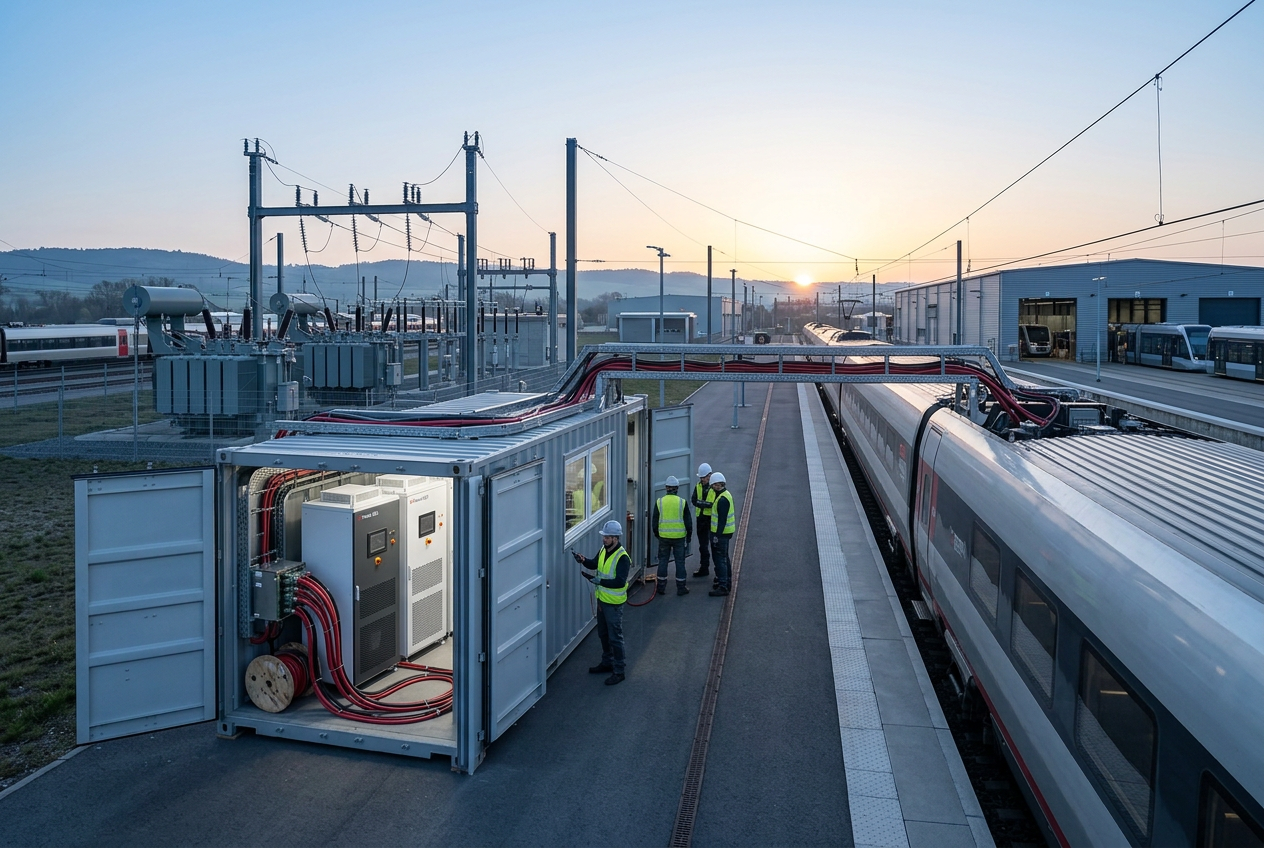
Railway
Electrified rail systems combine traction conversion, auxiliary supplies and regenerative energy. Controlled power testing helps engineering teams reproduce supply and load scenarios while evaluating converter and system response.
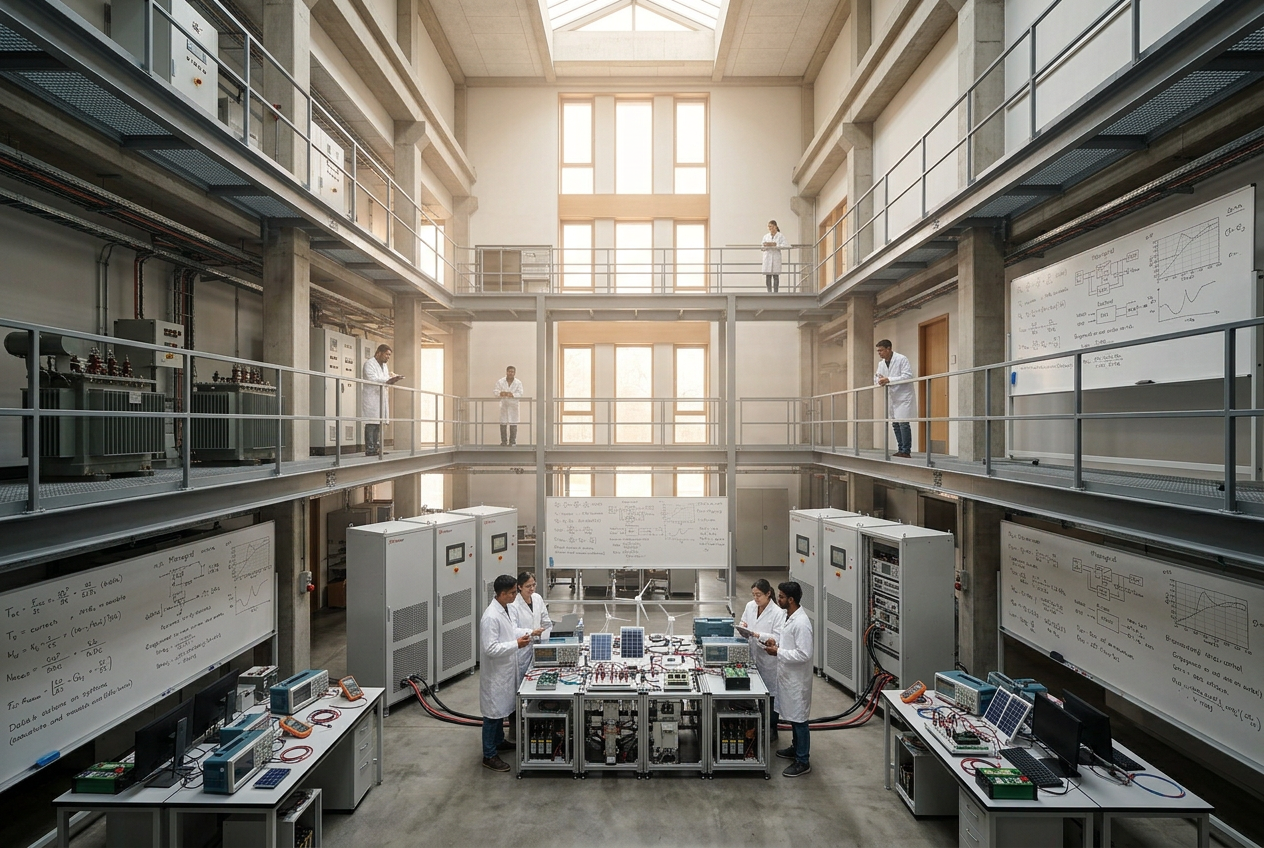
Research & Universities
Research laboratories need flexible platforms for exploring new converter topologies, grid behavior and control methods. Programmable AC and DC equipment supports repeatable experiments from early prototypes through power-hardware-in-the-loop studies.
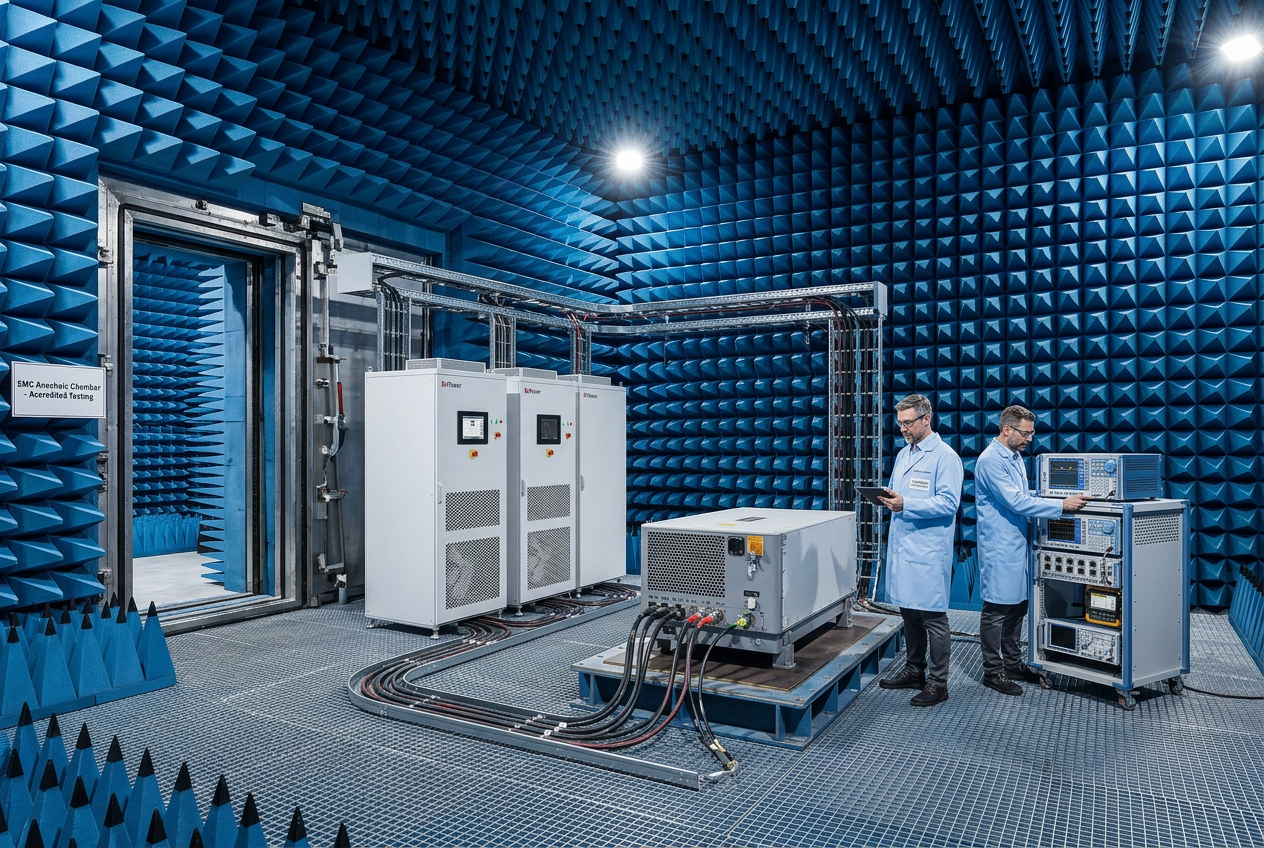
Test Houses
Independent laboratories need configurable equipment that can serve varied devices and test plans. Programmable sources and loads provide repeatable conditions for characterization, pre-compliance work and documented verification.
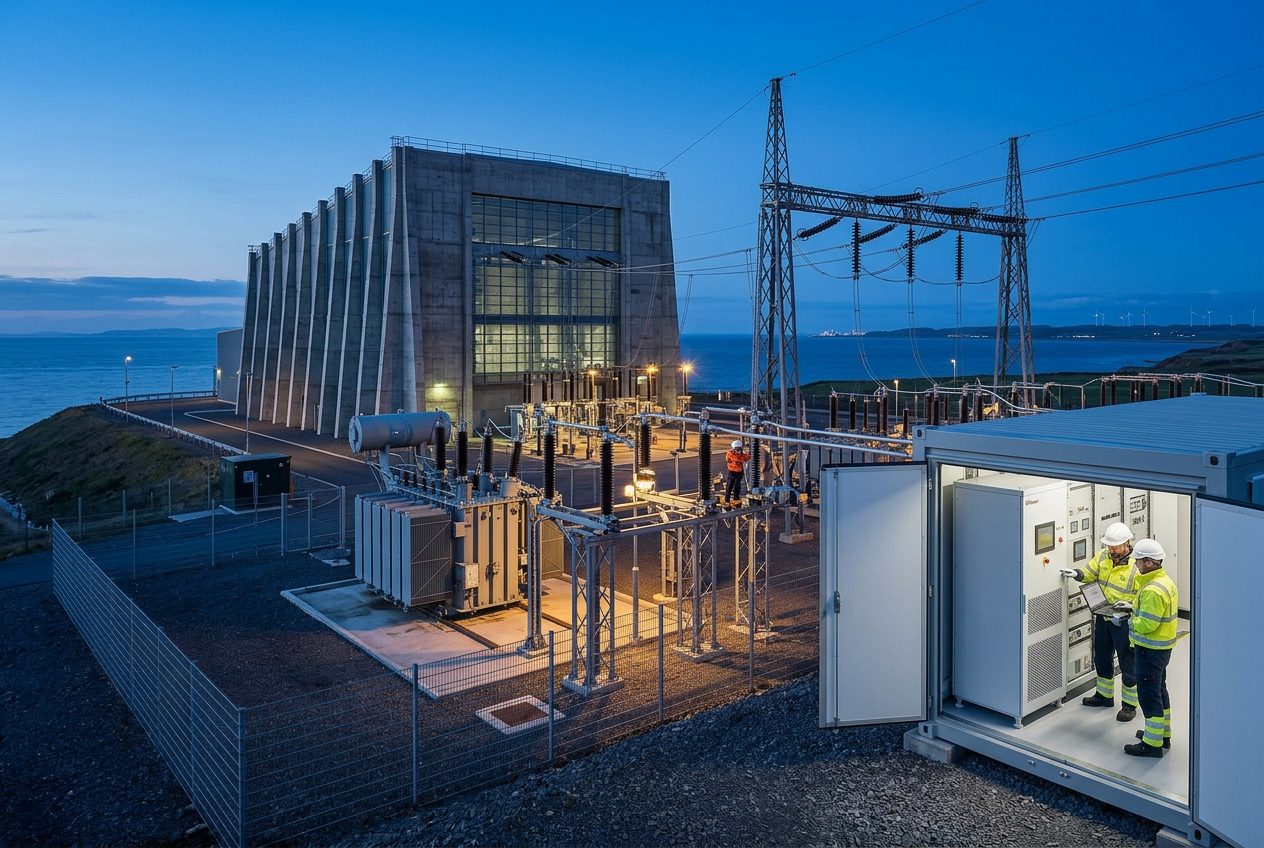
HVDC
HVDC development brings together high-power conversion, control and protection. Laboratory power systems support staged evaluation of converter behavior, power flow and transient response before broader system-level validation.
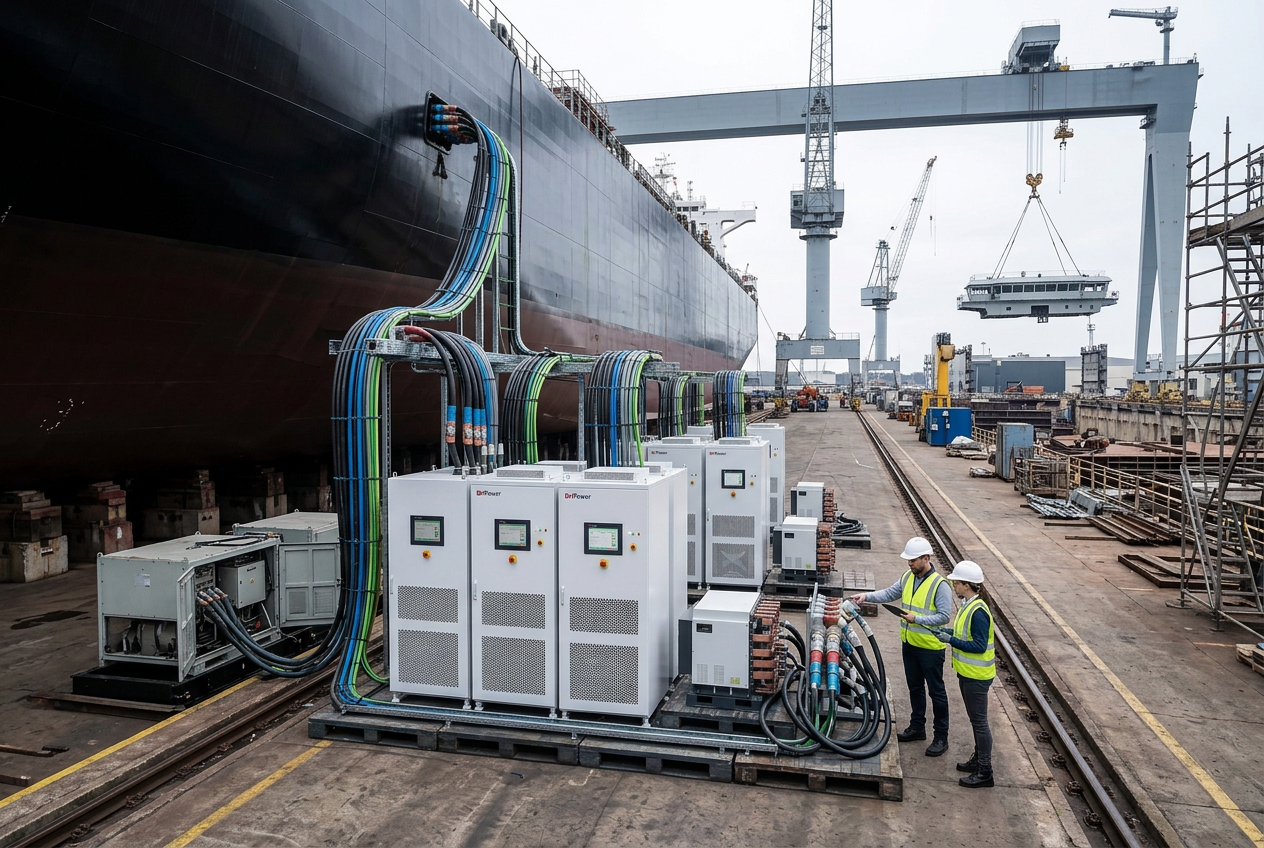
Industrial Power Systems
Industrial facilities depend on reliable converters, drives, power supplies and distribution equipment. Controlled source-and-load testing supports commissioning preparation, product validation and investigation of power-quality interactions.